
Toddler Bed vs Twin Bed – Which Is Better for Your Toddler?





Medically Reviewed By
Dr Aradhya Achuri
(Gynaecologist)

In this Article
- What Is a Toddler Bed and Who Can Use It?
- What Is a Twin Bed and Who Can Use It?
- Is a Toddler Bed and Twin Bed Safe?
- What Is the Difference Between a Toddler Bed and Twin Bed?
- Pros of Toddler Bed and Twin Bed
- Cons of Toddler Bed and Twin Bed
- What to Look for When Buying a Toddler or Twin Bed for Your Child?
- Are There Any Alternatives to Toddler Bed and Twin Bed?
View More
Our editorial process ensures that the information we provide is well-researched and reliable. Learn more about our approach in the FirstCry Parenting editorial policy.
When it comes to transitioning your child from a crib, one of the important decisions you’ll face as a parent is whether to opt for a toddler bed or a twin bed. Both options have their advantages and considerations, and choosing the right one for your child can ensure their comfort and safety during sleep. In this article, we will explore the characteristics of toddler beds and twin beds, discuss their safety features, highlight their differences, and weigh the pros and cons of each. Additionally, we will provide guidance on what to look for when buying a bed for your child and explore alternative options.
What Is a Toddler Bed and Who Can Use It?
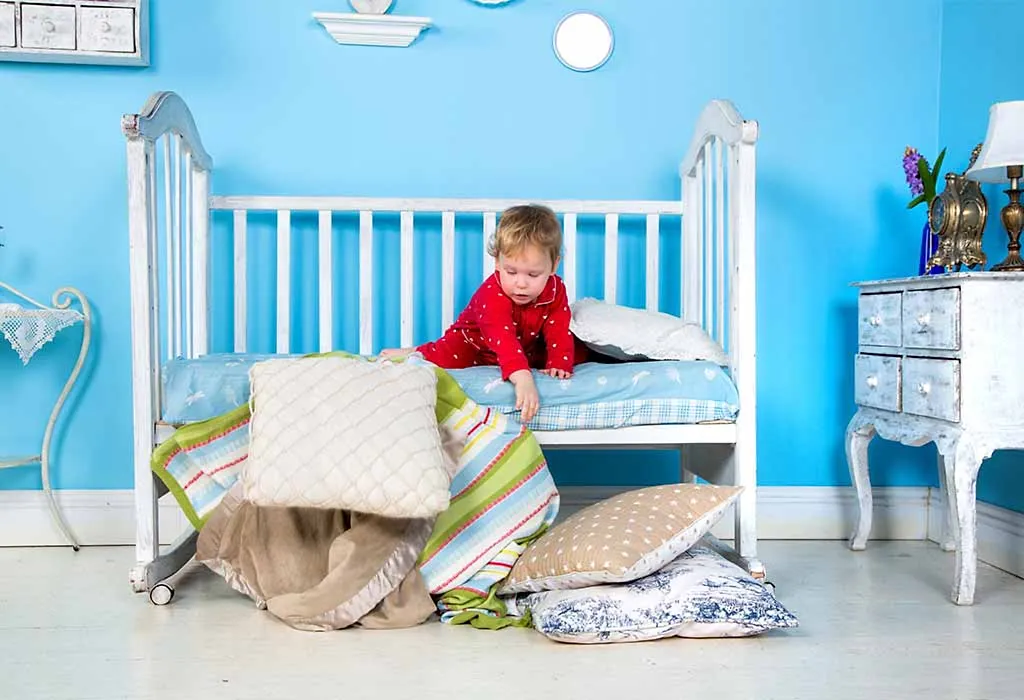
A toddler bed is a small, low-to-the-ground bed specifically designed for children who have outgrown their cribs but are not yet ready for a regular-sized bed. These beds often feature side rails or guardrails to prevent accidental falls during the night. Toddler beds are typically suitable for children aged 1.5 to 4 years, depending on their size and development. They provide a transitional sleeping option before children move on to a larger bed.
What Is a Twin Bed and Who Can Use It?
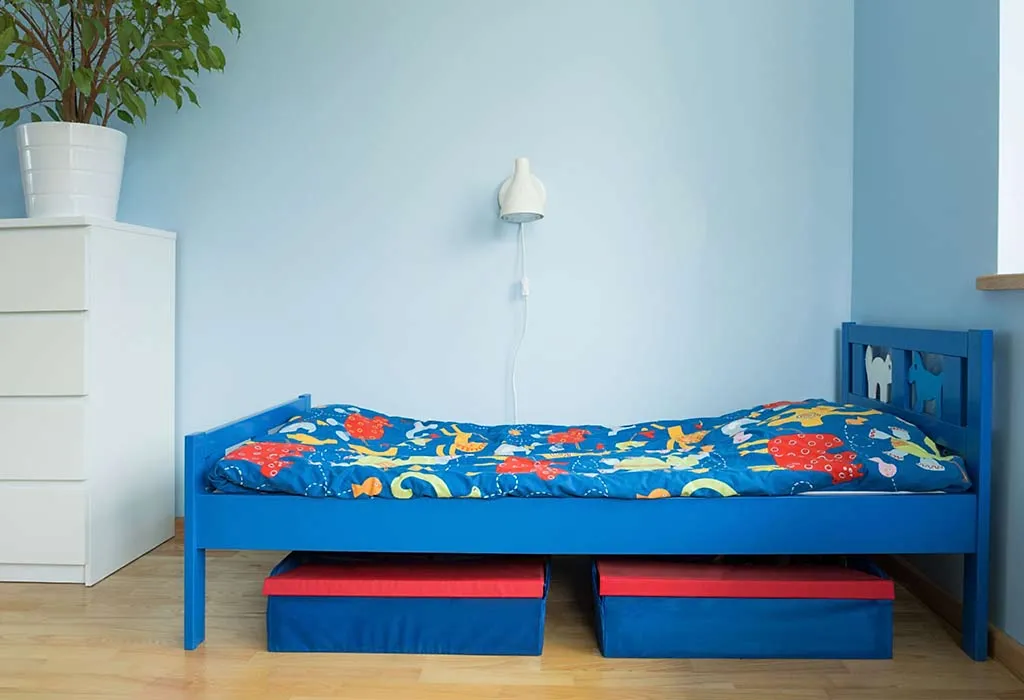
A twin bed, also known as a single bed, is a standard-sized bed that accommodates a single person. It is larger than a toddler bed and offers more space for a growing child. Twin beds are suitable for children who have outgrown their toddler beds or for older children and teenagers. With dimensions typically around 38 inches by 75 inches, twin beds provide ample sleeping space while fitting well in most bedrooms.
Is a Toddler Bed and Twin Bed Safe?
Safety is a top priority when choosing a bed for your child. Both toddler beds and twin beds can be safe options, but it is crucial to consider certain factors. Toddler beds often come with built-in guardrails, ensuring that your child remains secure and prevents accidental falls during the night. However, it is essential to ensure that these guardrails are sturdy and meet safety standards.
Twin beds, on the other hand, may not have built-in guardrails. However, you can purchase separate bed rails or use other safety measures to create a safe sleeping environment for your child. It’s important to check that these additions are properly installed and meet safety regulations.
In both cases, it’s recommended to place the bed away from windows, install safety gates if necessary, and ensure the mattress fits snugly in the frame without any gaps that could pose a risk of entrapment. Additionally, regularly inspecting the bed for wear and tear and using appropriate bedding are essential for maintaining a safe sleeping environment.
What Is the Difference Between a Toddler Bed and Twin Bed?
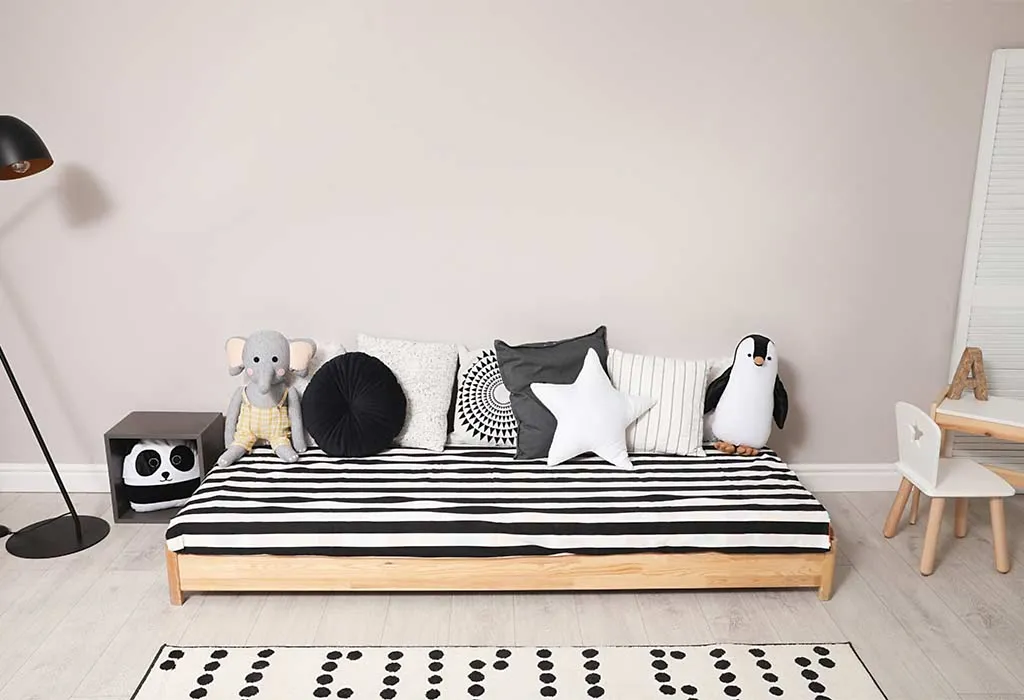
Confused when it comes to twin bed vs toddler bed? There are a few distinguishing features between a toddler bed and twin bed which are as below:
1. Size
Toddler beds are designed to accommodate crib-sized mattresses, making them smaller than twin beds. Twin beds, being larger, provide more space for a growing child or an older occupant.
2. Age Range
Toddler beds are suitable for younger children who have outgrown their cribs, typically ranging from 1.5 to 4 years. Twin beds, on the other hand, are more appropriate for older children and teenagers.
3. Versatility
Toddler beds have a limited lifespan as they are specifically designed for a particular age range. In contrast, twin beds offer more versatility and can be used for a more extended period, accommodating the child as they grow.
Pros of Toddler Bed and Twin Bed
It’s important to equip yourself with the list of pros of toddler beds and twin beds before you go ahead with their purchase. These are as follows:
Pros of Toddler Bed
- Provides a transitional sleeping option between a crib and a twin bed.
- Low-to-the-ground design allows easy access for young children.
- Built-in guardrails provide a sense of security and prevent falls.
- Smaller size fits well in smaller bedrooms or shared spaces.
- Often comes in fun and appealing designs for children.
Pros of Twin Bed
- Larger sleeping surface offers more space for comfort and growth.
- Accommodates children as they grow into their teenage years.
- Versatile and can be used for an extended period.
- Various mattress options available for customized comfort.
- Suitable for children with different sleeping preferences.
Cons of Toddler Bed and Twin Bed
While toddler beds and twin beds have many advantages, they do have a few disadvantages too which are as follows:
Cons of Toddler Bed
- Limited lifespan as children outgrow them relatively quickly.
- May require purchasing a separate mattress or bedding.
- Some designs may be less durable or lack sturdiness.
- Limited availability of design options compared to twin beds.
Cons of Twin Bed
- May be too large for younger children, posing a risk of accidental falls.
- Lack of built-in guardrails, requiring separate purchases or safety measures.
- Takes up more space in a bedroom, making it less suitable for smaller rooms.
- May require additional investments in bedding, mattress, and accessories.
What to Look for When Buying a Toddler or Twin Bed for Your Child?

When purchasing a bed for your child, consider the following factors:
- Safety features: Ensure the bed has sturdy guardrails or the option to add bed rails to prevent falls.
- Quality and durability: Look for beds made from sturdy materials that can withstand active children.
- Size and space requirements: Measure the available space in the room to ensure the bed fits comfortably. Twin vs toddler bed sizes are surely different and will impact the space available.
- Mattress support: Check that the bed frame provides adequate support for the mattress.
- Ease of assembly: Look for beds with straightforward assembly instructions and all necessary hardware included.
Are There Any Alternatives to Toddler Bed and Twin Bed?
Exploring alternatives to traditional toddler beds and twin beds opens up creative solutions for optimizing sleep spaces for children. Check out these alternatives:
- Montessori Floor Bed: A Montessori floor bed is a mattress placed directly on the floor, promoting independence and freedom of movement for young children.
- Bunk Bed: Bunk beds offer a space-saving solution for shared bedrooms, accommodating multiple children in a vertical arrangement.
- Trundle Bed: A trundle bed features a pull-out bed stored underneath, ideal for sleepovers or accommodating guests.
- Daybed: Daybeds function as both a bed and a seating area, providing versatility and comfort.
- Convertible Cribs: Some cribs can be converted into toddler beds or twin beds, offering long-term value and adaptability.
In conclusion, choosing between a toddler bed and a twin bed depends on your child’s age, space limitations, and personal preferences. Toddler beds provide a transitional option with added safety features, while twin beds offer more space and versatility. By considering the pros, cons, safety aspects, and alternative options, you can make an informed decision regarding toddler bed vs twin bed for a 2-year-old when selecting the best bed for your child’s needs and ensure their comfort and safety during sleep.
Also Read:
How to Help Your Toddler Nap?
Ways to Get a Toddler to Sleep at Night
Toddler’s Sleep: Calling out and Getting out of Bed
Was This Article Helpful?
Parenting is a huge responsibility, for you as a caregiver, but also for us as a parenting content platform. We understand that and take our responsibility of creating credible content seriously. FirstCry Parenting articles are written and published only after extensive research using factually sound references to deliver quality content that is accurate, validated by experts, and completely reliable. To understand how we go about creating content that is credible, read our editorial policy here.
Lorem Ipsum is simply dummy text of the printing and typesetting industry. Lorem Ipsum has been the industry’s standard dummy text ever since the 1500s, when an unknown printer took a galley of type and scrambled it to make a type specimen book. It has survived not only five centuries, but also the leap into electronic typesetting, remaining essentially unchanged. It was popularised in the 1960s with the release of Letraset sheets containing Lorem Ipsum passages, and more recently with desktop publishing software like Aldus PageMaker including versions of Lorem Ipsum.
- Author
- Expert Reviewer