
The Goodness of Kiwi for Your Overall Health





The goodness of kiwi for your overall health is not given much attention than the awesomeness it harnesses. Kiwi is an exotic fruit that’s cultivated popularly in New Zealand these days. However, did you know that its origins trace back to China? Yes, its original name is yang tao which translates to Chinese Gooseberry. There’s a good story behind how kiwis went from China to New Zealand when missionaries visited, but that’s for another time! For now, here’s the key takeaway – it is used widely for its medicinal benefits, and despite how it looks on the outside, it’s jam-packed with nutrition beyond mere antioxidants. Read on to know more.
Nutritional Benefits of Kiwi
Kiwi is slowly and steadily garnering the attention of health enthusiasts and is loved by many. Here’s what you get in 100 grams of kiwi. You can calculate how much you want to eat based on how much nutrient intake you’re aiming for based on the table below.
| Nutrients | Amount (per 100 grams) |
| Water | 83.1 g |
| Calories | 61 kcal |
| Carbs | 14.7 g |
| Protein | 1.14 g |
| Fat | 0.52 g |
| Fibre | 3 g |
| Vitamin C | 92.7 mg |
| Calcium | 34 mg |
| Iron | 0.31 mg |
| Vitamin B6 | 0.063 mg |
| Magnesium | 17 mg |
| Potassium | 312 mg |
| Vitamin K | 40.3 µg |
| Copper | 0.13 mg |
| Vitamin E | 1.46 mg |
| Manganese | 0.098 mg |
Source: https://fdc.nal.usda.gov/fdc-app.html#/food-details/168153/nutrients
Amazing Benefits and Uses of Kiwi
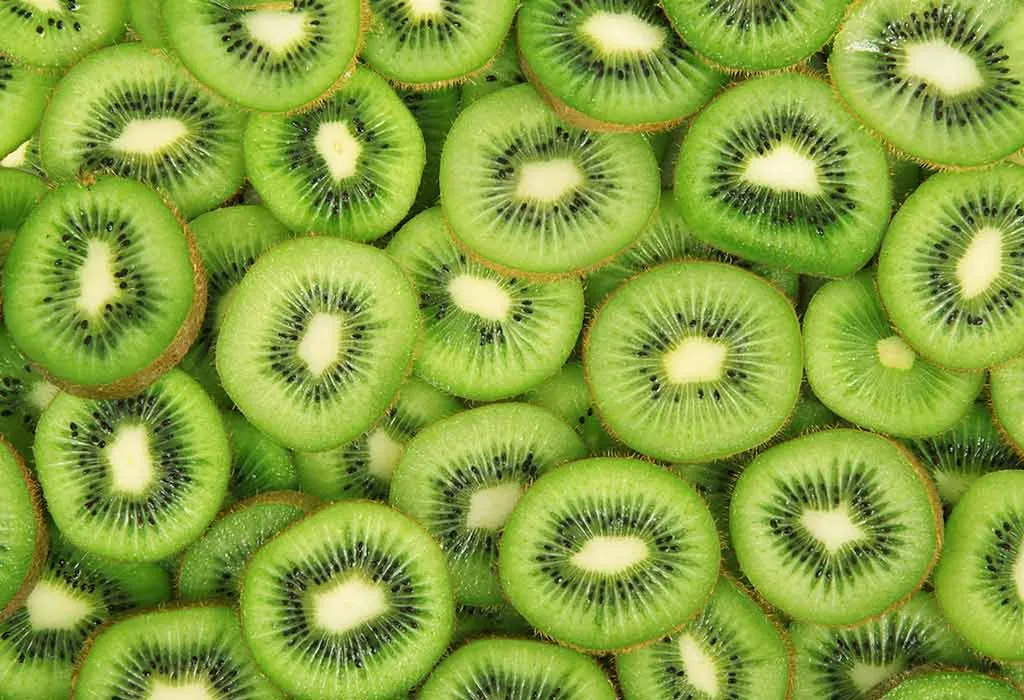
What’s the first thing that comes to your mind when you think of kiwi? The New Zealand bird or the fruit? When it comes to fruit, there’s a lot to talk about. Here’s a list of the amazing kiwi fruit benefits and their uses. Just have a few every day, and you’ll be floored with how your health starts changing.
1. It’s Super High In Vitamin C
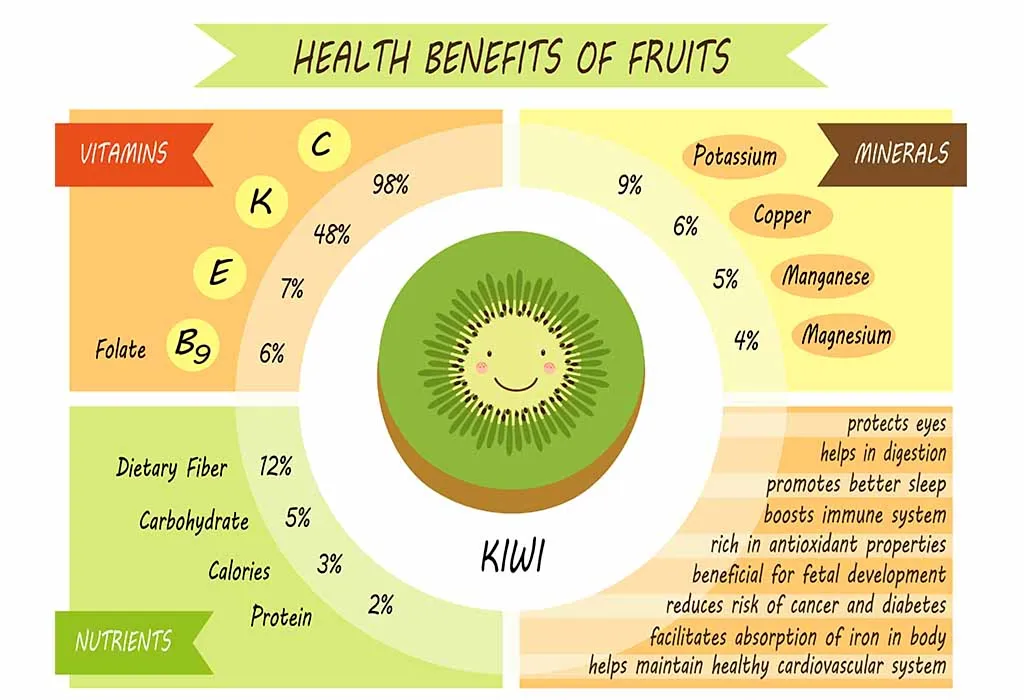
If you’ve been struggling to meet your RDA for Vitamin C and need one fruit, we’d say kiwi’s the best. It’s got 154% of the minimum RDA, which is almost twice as much as oranges and lemons. Vitamin C is one of the best nutritional advantages of kiwi fruit and helps get rid of free radicals from your body by scavenging for them, also packing anti-inflammatory benefits too. Plus, it strengthens your immune system, which is just what you need for detoxification and preventing you from catching various diseases.
2. Helps You Get A Restful Sleep
The research from Tepei University revealed that kiwi has sleep-inducing properties. Since it’s packed with antioxidants and raises your serotonin levels naturally, it helps you fall asleep much easier. Bye, bye, insomnia!
3. Picks Up Your Digestion
The actinidain enzyme found in kiwi is known to aid in digestion and boost gut health. Patients who have irritable bowel syndrome have good news, and that is – kiwi helps remedy that. Actinidain is also known to dissolve proteins in the body and help assimilate nutrients better.

4. Good Source of Folate
Folate is a vital nutrient required during pregnancy. It helps to make sure that the foetus grows healthy and doesn’t develop any abnormalities in the womb.
This is one of the other kiwi fruit uses for health and is equally important for growing children as well.
5. It’s Loaded with Important Vitamins And Minerals
Kiwis are known to possess a variety of nutrients like Vitamins B6, A, and E, potassium, calcium, iron and magnesium. These nutrients play a role in reducing stress from the body, promoting proper blood circulation, and reducing the chances of osteoporosis by improving bone density through efficient calcium absorption.
Magnesium helps in keeping your nervous system and muscles relaxed and healthy, while the potassium content in kiwis is known to regulate your blood pressure levels, thus reducing your chances of getting heart attacks and stroke.
6. It Keeps Your Skin Flawless
Kiwis are alkaline by nature which means they neutralise the acidic effects in your body. They have antioxidants and two vital nutrients, vitamins C and E, which are required for healthy and glowing skin.
Also, if you’ve been trying to take care of your cardiovascular health, you’ll be glad to know that kiwis are a fantastic source of nutrients like carotenoids, polyphenols, and Omega-3 fatty acids – all of which are good for your heart.
7. Decreases Blood Clotting
Researchers from the University of Osio discovered that kiwis were known to reduce blood clotting factors in patients. Studies further indicated that patients with lowered incidences of blood clotting noted improvements in their cardiovascular health. Also, the fat content in the blood is reduced as a result.
8. Protects Your Vision
Studies show that eating three kiwis a day can lower your risk of macular degeneration by upto 36%! The reason behind that is kiwi contains high levels of zeaxanthin and lutein, both of which are responsible for improving eye health. If you want to protect your vision, go for a rainbow of colours when it comes to making salads (think greens, reds, and purples like kiwi, leafy vegetables, berries, and plantains).
9. Helps With Weight Loss
Since kiwis are high in water content and calories and relatively low in fat, they’re the perfect fruit choice when it comes to weight loss. 61 calories in 100 grams? Can’t beat that. Substitute those avocados, high-fat meats, and coconuts for kiwi next time if you’re trying to lose weight. It really makes a difference. Dried kiwi benefits include the fact of how you can bump up your intake of nutrients when you add them to your salads and smoothies. So if you can’t eat the fruit or don’t have the time, go for freeze-dried kiwi powders. Also, freeze-dried powders retain their nutritional value and are just as fresh as farm-fresh fruit.
10. Boosts Your Iron and Calcium Absorption
If you’re prone to conditions like osteoporosis and anaemia, or your body is having difficulty absorbing iron from foods, it’s time you add some kiwi to your breakfast. By simply combining kiwis with bananas or with any iron-rich cereals, you prevent yourself from suffering from iron deficiencies. Researchers did a 16-week randomised controlled trial and proved this.
11. Beats Cancer
Kiwis know to beat cancer well since they provide cytotoxic effects against malignant tumour cells. This prevents cancer from evolving any further and halts it in its place. Chinese medicinal applications have used kiwi for many years for the treatment of various cancers like colon cancer, liver cancer, breast cancer, and even stomach cancer.
12. Changes Your Alkalinity Profile
When your body is more alkaline and produces less mucus, the chances for bad bacteria and harmful pathogens to thrivw decreases. This is key to optimal health and making sure you don’t face cancers or any lifestyle conditions in the future.
13. Reduces Signs of Aging
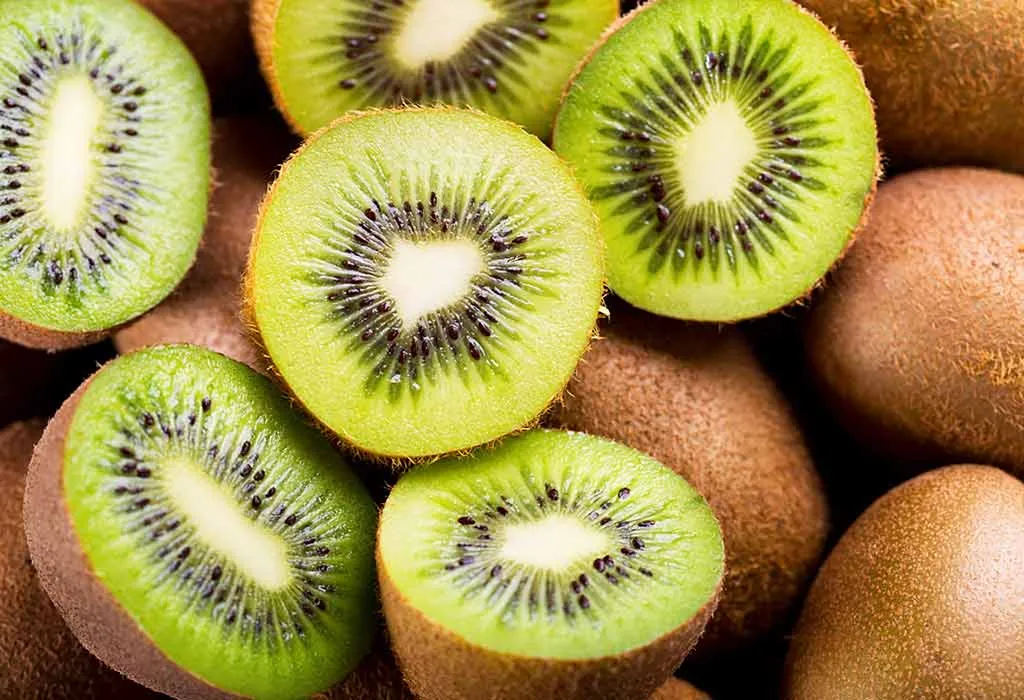
You’ll be glad to know that besides being an exotic, tasty fruit, kiwi fruit uses for health includes the reduction in signs of ageing. This is because of its high levels of antioxidants, Vitamin C, and various nutrients, which play a great role in promoting collagen synthesis. The result is your skin stays protected from the harmful effects of sun damage, is hydrated, and gets a boost in its tone and elasticity too. Your metabolism improves too, which shows up in your energy levels.
14. Good for Diabetics
Here’s a surprise, kiwis are actually good for diabetics. How’s that possible? It’s because it’s high in dietary fibre. The fibre helps regulate blood sugar levels, and to add to that, got a low GI (glycemic index). Keep in mind that not all sugar is bad for you. It’s that added sugar and fruit juice concentrates which do the damage. If you eat the fruit in its natural form (with the fibre intact), as in the case of kiwis, you’ll be doing your body a whole world of good.
15. Makes Your Kidneys Work Better
Amongst the top kiwi health benefits are that it helps dissolve kidney stones when taken in moderation. Many insoluble wastes get backed up when the kidneys overwork over the years. By providing sufficient hydration and delivering your daily dose of potassium, you essentially prevent the buildup of calcium salts, which leads to the development of those stones. You also regulate your sodium levels in your body when you eat enough kiwi daily.
Are There Any Side Effects of Eating Kiwi?
Although kiwis are good for you, they come with certain side effects when consumed beyond moderation. And some people just don’t get along with kiwis, and there’s that too. Here’s a list of some side effects of eating too many kiwis:
1. You Get Kidney Stones
Kiwis are high in oxalates, and oxalates are what lead to the formation of kidney stones through calcium buildup in individuals. This also ends up messing with the nutrient absorption process in your body, causing difficulty in absorbing specifically calcium and magnesium from foods.
2. Allergic Reactions
Some people get an allergic reaction when they eat kiwis. Young children are susceptible to this, too, so it’s good to talk to your doctor if you suspect this.
Healthy Kiwi Recipes You Can Try
Want to incorporate kiwi into your diet, but don’t know how? Here are some fun and tasty recipes.
1. Kiwi Salad Juice

Don’t like eating salads? Why not drink it up and enjoy the kiwi juice benefits with this recipe?
Ingredients
- 2 Kiwis
- 1 Pear
- 1/2 a cucumber
- 3 carrots
- 1/2 a lemon
- 1 head of Romaine lettuce
- 3 celery stalks
- 3 mint leaf sprigs
- A piece of ginger (chopped and grated)
Method
- Combine all the ingredients above in a food processor or blender.
- Strain the juice and drink it up.
2. Mimosa Fruit Salad

If you’re trying to get in more antioxidants in your diet, then this recipe is how you do it right.
Ingredients
- 2 cups of clementine segments (cut in halves)
- 2 cups of kiwis (peeled and sliced)
- 2 cups of watermelon (diced)
- 1 cup of blackberries (halved)
- 1 cup of fresh strawberries (quartered)
- 1 cup of prosecco (chilled)
- 1/2 a cup of orange juice
- 2 tablespoons of fresh mint (chopped)
Method
- Get a large bowl and mix all the ingredients except the prosecco, orange juice, and mint.
- In a small bowl, blend the prosecco, orange juice and mint well.
- Pour this mix over your mimosa salad for the finish.
FAQs
Have some more questions about kiwis? Don’t worry; we will answer your questions below:
1. How Many Kiwis Can I Eat In A Day?
If you’re eating kiwis every day, two to three a day is enough to do the trick. You’ll get all the nutrients you need that way. But make sure you don’t go overboard since kiwis contain sugar too. Moderation is key.
2. What Is The Best Time To Eat Kiwi Fruit?
The best time to eat kiwis is early in the morning on an empty stomach. That’s because it’ll help detoxify your internal organs, and the soluble fibre will also keep you satiated.
3. Can I Drink Milk After Eating Kiwi?
You cannot drink milk immediately after eating kiwis. That’s because of its high vitamin C content, which may lead to diarrhoea when combined with milk. Wait for at least 30 minutes to an hour before drinking milk for the best results.
4. How To Select And Store Kiwis?
When selecting kiwis, make sure the skin is firm and not too soft or mushy. The colour should be brown and not have any greenish hues. If your kiwis are unripe, store them in paper bags for ripening faster. Ripe kiwis are best stored inside the refrigerator for later consumption.
Now that you know kiwis are good for your (when not eaten in excess), you can start adding them to your salads, juices, or whatever else you like. Get creative with the recipes and add in your own spin to them. The main thing to remember is to not just focus on kiwis but your whole diet instead. Eat natural, say no to processed and packaged commercial foods, and cut down on the added salts and sugars, and you’ll be doing just fine.
And once you start adding kiwis to your diet, you’ll be feeling the additional benefits soon enough. Stay healthy, happy, and youthful!
References/Resources:
1. Kiwifruit, green, raw; FoodData Central – US Department of Agriculture; https://fdc.nal.usda.gov/fdc-app.html#/food-details/168153/nutrients, 2019
2. Richardson. DP, Ansell. J, Drummond. LN; The nutritional and health attributes of kiwifruit: a review; Eur J Nutr; PubMed Central; https://www.ncbi.nlm.nih.gov/pmc/articles/PMC6267416/#CR11; 2018
3. 6 Health Benefits of Kiwifruit; Cleveland Clinic; https://health.clevelandclinic.org/kiwi-benefits/; February 2023
4. Scalbert A, Manach C, Morand C, Rémésy C, Jiménez L. Dietary polyphenols and the prevention of diseases. Crit Rev Food Sci Nutr.; PubMed; https://pubmed.ncbi.nlm.nih.gov/16047496/; 2005
5. Aune. D, Keum. N, Giovannucci. E, et al.; Dietary intake and blood concentrations of antioxidants and the risk of cardiovascular disease, total cancer, and all-cause mortality: a systematic review and dose-response meta-analysis of prospective studies; Am J Clin Nutr; PubMed Central; https://www.ncbi.nlm.nih.gov/pmc/articles/PMC6250988/; November 2018
6. Bagdas. D, Gul. Z, Meade. JA, et al.; Pharmacologic Overview of Chlorogenic Acid and its Metabolites in Chronic Pain and Inflammation. Curr Neuropharmacol.; PubMed Central; https://www.ncbi.nlm.nih.gov/pmc/articles/PMC7327949/; March 2020
Also Read:
Benefits of Dry Fruits and Nuts
Health Benefits of Banana
Benefits of Groundnut Oil (Peanut Oil)
Was This Article Helpful?
Parenting is a huge responsibility, for you as a caregiver, but also for us as a parenting content platform. We understand that and take our responsibility of creating credible content seriously. FirstCry Parenting articles are written and published only after extensive research using factually sound references to deliver quality content that is accurate, validated by experts, and completely reliable. To understand how we go about creating content that is credible, read our editorial policy here.
- Author


Related Articles
-

5 Effective Essential Oils to Relieve Headache
-
8 Nutritious Jowar Recipes You Must Try
-

A Very Low-Calorie Diet (VLCD) - Benefits, Side Effects, and Precautions
-

20+ Best Morning Stretches to Wake Up Your Body and Mind
-

7 Home Remedies That Are Making Your Health Problems Worse!
-

21 Trendy Gift Ideas for Fitness Freaks in Your Life