
8 Months Old Baby Food Ideas





Medically Reviewed By
Nidhi Mehta
(Paediatric Nutritionist)


This content has been reviewed by a qualified expert and follows the FirstCry Parenting editorial policy to ensure accuracy and reliability.
Your eight-month-old baby is at a stage where he is curious about everything. With a tooth or two, your baby must be grinning its way to becoming a toddler. By eight months, babies master the art of gulping down mashed food, and slowly, they even start chewing on solid foods. Your baby is in the growing stage right now. Hence, you must ensure that the foods you give him help develop his chewing skills and meet his dietary requirements. Read this article to find out what food for an 8-month-old baby is most suitable.
Video: Food Ideas for 8-Month-Old Baby
8 Months Old Baby Food Menu
Also Read: 8 Months Old Baby Milestones
A wholesome diet comprising carbohydrates, protein, vitamins, and minerals is essential for a growing eight-month-old baby. Many natural food substances offer the right mix of these nutrients. Typically, foods that 8 month old can eat should include one or more of the following.


1. Fruits
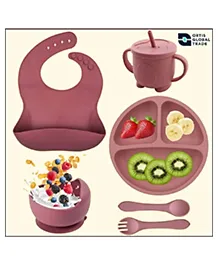
Fruits are an excellent source of vitamins, minerals, and other micro nutrients. Apart from the regular fruits like apples, bananas, papayas, chikoo, etc., you can also include some fruits like kiwi, strawberries, pomegranates, etc. Fruits that are cut in the shape of long cubes make for excellent finger foods for babies. So, cut the fruits in different shapes and give them to your child.
2. Vegetables
At eight months of age, your baby can start making a switch from mashed vegetable puree to small cubes of steamed vegetables. You can incorporate a variety of vegetables into your baby’s diet. Add the veggies to khichdi or make a steamed vegetable bowl. You can slowly introduce vegetables like cauliflower, broccoli, asparagus, green peas, and pumpkin can be slowly introduced into his diet.
3. Fish
Fish is a very nutritious food that can be given to babies as young as eight months. Fish like tuna, salmon, rohu, etc., that are rich in omega-3 fatty acids are very good for the growth and brain development of babies. Fish can be given to babies in the form of puree or as soup.
4. Tofu/Paneer
Tofu or paneer is made out of soy milk and cow’s milk respectively. They are rich in protein and very good for developing babies. Tofu can be given to babies who are lactose-intolerant or are allergic to paneer.
5. Chicken
Chicken is believed to be one of the healthiest foods for babies. It can be typically started at the age of seven months and is usually given in the pureed form or as soup. The broth or the juice in which the chicken is cooked is also nutritious for babies.
6. Cheese
Cheese made out of pasteurised milk is a great source of calcium for growing babies. The processed cheese available in the market makes for a great snack for babies to munch on. You can give cheese to your baby but, give it in limited quantities as too much of anything could result in an upset stomach.
7. Eggs
Eggs are a wholesome food as they contain good fats and healthy proteins. You can give a boiled egg to your baby in bite-sized pieces. Some babies are allergic to eggs, so you must watch out for any warning signs of allergy in babies.
8. Yoghurt
Thick yoghurt made from cow’s milk can be given to babies, especially in summer. There are many fruit-flavored yoghurt available in the market that make for excellent snack options for babies. They not only provide good bacteria for the gut but also serve as a great source of essential vitamins and minerals.
9. Solid Protein
Protein sources include beef, lamb, poultry, fish, eggs, lentils, chickpeas, beans, and tofu. You can include these as broth or light mince in your baby food recipe.
10. Whole Grains
Rice, quinoa, barley, bulgur, oats, millet, wholewheat goods (bread, tortillas, pittas, pasta, and couscous), and rye products (bread, tortillas, and pittas) should be given once a week as they have high arsenic content.
11. Breastmilk Formula
The closest formula to breast milk has been made out of skimmed cow milk for ages. However, with the advancement of technology and the growing realisation about the importance of breast milk, we now have breast milk banks and donors that are very helpful for non-lactating mothers. If you’re facing breastmilk shortage, you can use stored breast milk-based formulas available at several breast milk banks or pharmacies.
12. Avocado
Avocado can be given to a baby as soon as they are ready to eat solid food – after 6 months. Avocados that are ripe and full of nutrients are soft and a great snack for your 8-month-old infant. These wonders are full of healthy fat, which gives you and your baby energy and aids in absorbing other nutrients.
Foods to Avoid for 8-Month-Old Baby

Certain food items must be avoided to be given to an 8-month-old baby. The list of these foods is given below:
1. Packed Fruit Juice
Fruit juice isn’t much better than sugar water in terms of nutritional value because it doesn’t include the fat, protein, calcium, zinc, vitamin D, or fibre that growing babies require. The foundation of a baby’s nutrition during the first year of life should be breast milk or formula, yet it might drown sensitive appetites. Too much juice can lead to chronic stomach issues, including diarrhoea and tooth decay.
2. Cow’s Milk
Babies under 1-year-old should avoid cow’s milk because it can be difficult to digest, even though it may be excellent for an adult’s body. The best milk sources are breast or formula because cow’s milk lacks many minerals (such as iron and vitamin E) a baby needs to grow and thrive throughout the first year of life.
3. Processed and Smoked Meats
Since most smoked or cured meats (such as bacon and bologna) are heavy in sodium and animal fat, they should ideally never be given to infants. Likewise, with most smoked seafood.
4. Foods Not Pasteurised
You should never give your newborn unpasteurised (raw) dairy products, juice, or cider, just as these items were off-limits when you were expecting. They may contain harmful bacteria that can give newborns and young children potentially fatal illnesses.
5. Almond or Peanut Butter
Delicious, nutritious, and rich in protein! Every child loves peanut or almond butter, but how early the parents introduce it to their children will vary. In the event that there is a nut allergy in the family, it would be a good idea to undergo an allergy test. Peanuts can cause choking. If you do decide to give peanuts to your infant, you can make peanut butter by blending the nuts into a smooth puree and giving it to the child in small doses. This must be strictly adhered to for all youngsters under the age of one.
6. Chocolate
Because it contains caffeine, chocolate is one of the foods least safe for infants. You wouldn’t ever want to give your baby caffeine, right? Additionally, chocolate should only be consumed in moderation when your infant turns one year old as it has high sugar content.
7. Citrus Rruits or Berries
Although berries and citrus fruits are necessary for our bodies, strawberries, blueberries, blackberries, raspberries, oranges, and limes, among other fruits, have high levels of acid and vitamin C that can upset the stomach and even cause diaper rashes. To avoid allergic reactions or stomach trouble, waiting for about a year or juice the fruits and diluting them well is advised.
8. Raisins or Grapes
Grapes should not be given to infants until they can properly chew their food and are old enough to avoid choking. Even when sliced into small pieces, grapes might be stuck in your baby’s food pipe due to their firmness, size, and peel.
9. Honey
Honey is prohibited for the first year due to the possibility of containing Clostridium botulinum spores, which are harmful to babies. Although harmless to adults, these spores can induce baby botulism in babies under 1 year old. This dangerous condition, which seldom results in death, can inhibit sucking, impair appetite, produce lethargy, and even lead to pneumonia and dehydration. So, don’t offer your sweetheart, honey, until the child turns one.
Also Read: Your 8 Months Old Baby Growth and Development
How Much Food Should a Baby Eat at This Stage?
Most often, eight-month-old babies feed actively, but sometimes they may throw tantrums while eating and get distracted away from food due to their new-found mobility. Babies who start crawling by this age, usually feed on the go as they show more interest in exploring the things around them. A typical eight-month-old baby should have three solid meals and two snacks, along with at least two sessions of breastfeeding or formula feeding.
Food Schedule
Here is a sample food schedule for an eight-month-old baby.
- Morning- Wake up and nurse for a few minutes (about 200 ml)
- Breakfast – 1 cup of pureed veggies or anything else in breakfast
- Mid-morning Snack – Half a cup of fruit/yoghurt/boiled vegetables
- Lunch- 1 cup of cereal
- Nap time
- Evening Snack – Breast milk or formula milk (about 200ml)
- Dinner – 1 cup of porridge/pureed veggies/cereal
- Night – Breastfeed before putting him to bed
Also Read: Toys for 8 Months Old Baby
Video: Diet Plan for a 8 Month Old Baby
A Sample Food Chart/Meal Plan for an Eight-month-old Baby
Here is a sample chart that you can use as a guideline for your eight-month-old baby.
Diet for a 8 Month-Old – Week 1, Day 1
| Early morning | Mother’s milk /formula feed |
| Breakfast | Idli with a little ghee or butter |
| Mid-morning | Mother’s milk /formula feed |
| Lunch | Rice-carrot porridge |
| Evening | Mother’s milk /formula feed |
| Dinner |
Jowar (sorghum) puffs + apple puree
|
Diet for a 8 Month-Old – Week 1, Day 2
| Early morning | Mother’s milk /formula feed |
| Breakfast | Idli with a little ghee or butter |
| Mid-morning | Mother’s milk /formula feed |
| Lunch | Carrot-beetroot soup |
| Evening | Mother’s milk /formula feed |
| Dinner |
Ragi (finger millet) – wheat sheera
|
Diet for a 8 Month-Old – Week 1, Day 3
| Early morning | Mother’s milk /formula feed |
| Breakfast | Idli with a little ghee or butter |
| Mid-morning | Mother’s milk /formula feed |
| Lunch | Idli with a little ghee or butter |
| Evening | Mother’s milk /formula feed |
| Dinner | Roti dipped in dal |
Diet for a 8 Month-Old – Week 1, Day 4
| Early morning | Mother’s milk /formula feed |
| Breakfast | |
| Mid-morning | Mother’s milk /formula feed |
| Lunch | |
| Evening | Mother’s milk /formula feed |
| Dinner | Roti dipped in dal |
Diet for a 8 Month-Old – Week 1, Day 5
| Early morning | Mother’s milk /formula feed |
| Breakfast | |
| Mid-morning | Mother’s milk /formula feed |
| Lunch | Sweet potato + poha powder |
| Evening | Mother’s milk /formula feed |
| Dinner | Roti dipped in dal |
Diet for a 8 Month-Old – Week 1, Day 6
| Early morning | Mother’s milk /formula feed |
| Breakfast | |
| Mid-morning | Mother’s milk /formula feed |
| Lunch |
Ragi (finger millet) – wheat sheera
|
| Evening | Mother’s milk /formula feed |
| Dinner |
Bajra (pearl millet) – moong dal (green gram split) khichdi
|
Diet for a 8 Month-Old – Week 1, Day 7
| Early morning | Mother’s milk /formula feed |
| Breakfast | |
| Mid-morning | Mother’s milk /formula feed |
| Lunch | Dal (lentil) -spinach soup |
| Evening | Mother’s milk /formula feed |
| Dinner |
Diet for a 8 Month-Old – Week 2, Day 1
| Early morning | Mother’s milk /formula feed |
| Breakfast | |
| Mid-morning | Mother’s milk /formula feed |
| Lunch |
Egg yolk (boiled) or homemade paneer (cottage cheese)
|
Was This Article Helpful?
Parenting is a huge responsibility, for you as a caregiver, but also for us as a parenting content platform. We understand that and take our responsibility of creating credible content seriously. FirstCry Parenting articles are written and published only after extensive research using factually sound references to deliver quality content that is accurate, validated by experts, and completely reliable. To understand how we go about creating content that is credible, read our editorial policy here.
- Author
- Expert Reviewer