
Eating Frozen Meal While Pregnant – Is It Safe?





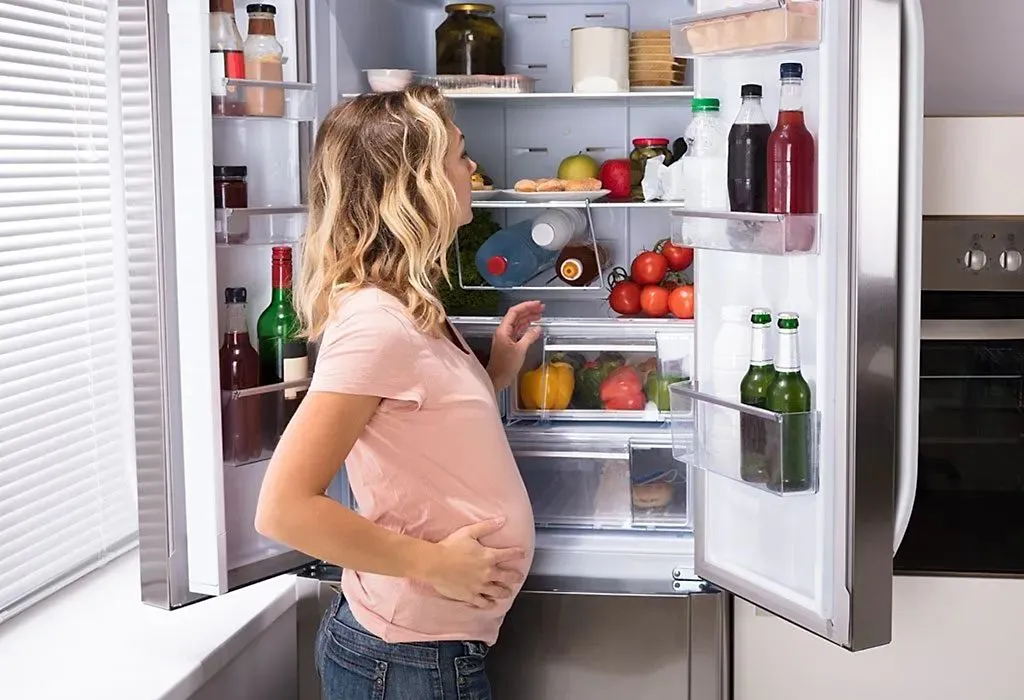
Frozen meals are easy to grab and prepare after a long and busy day. While these types of food are generally safe, many women doubt eating frozen meals while pregnant. And the fear is normal, too, since any harmful or spoiled food can impact the mother and the baby negatively. Frozen meals can either be meals that have been prepared at home and then frozen to be used over a week or a month to ready-to-eat frozen foods that you can buy in the supermarkets and pop into the microwave or oven when you are ready to eat.
Is Consuming Frozen Food During Pregnancy Safe?
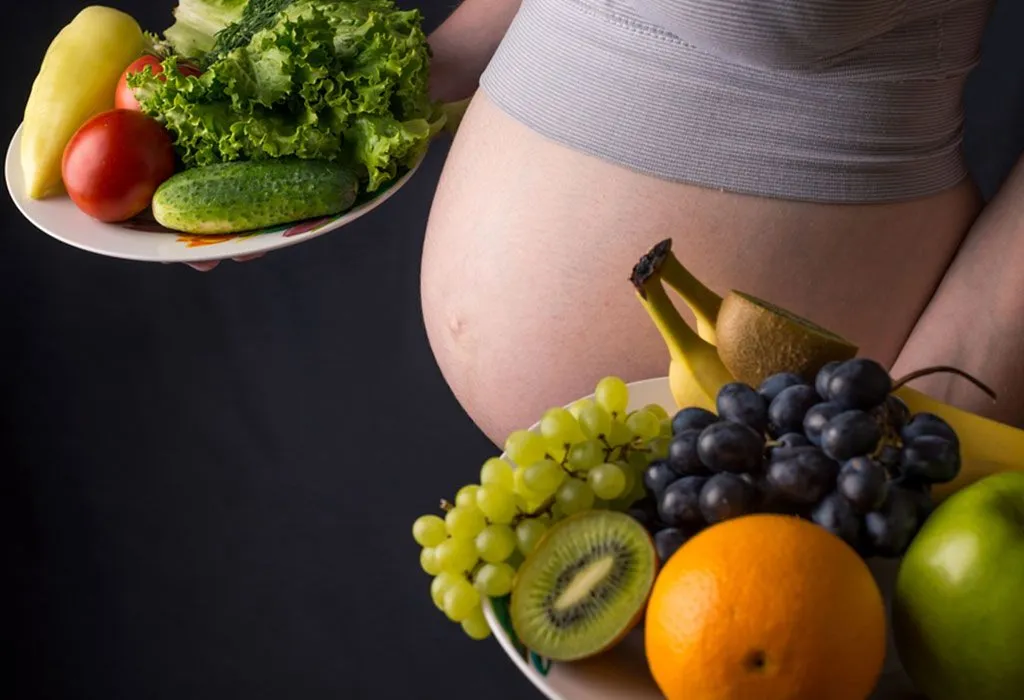
While frozen foods do come in handy and are not all that bad for you, it needs to be noted that these foods will have a lot of chemicals, sodium, and preservatives, all of which are not to be consumed by pregnant women in large quantities. The ice crystals that form during the freezing process often result in a huge loss of vitamins B1, B2 and A. They are also responsible for losing a lot of the natural juices and texture of the food. Vitamin C is destroyed in frozen temperatures. This means that many of the nutrients and vitamins pregnant women need are often not present in frozen foods.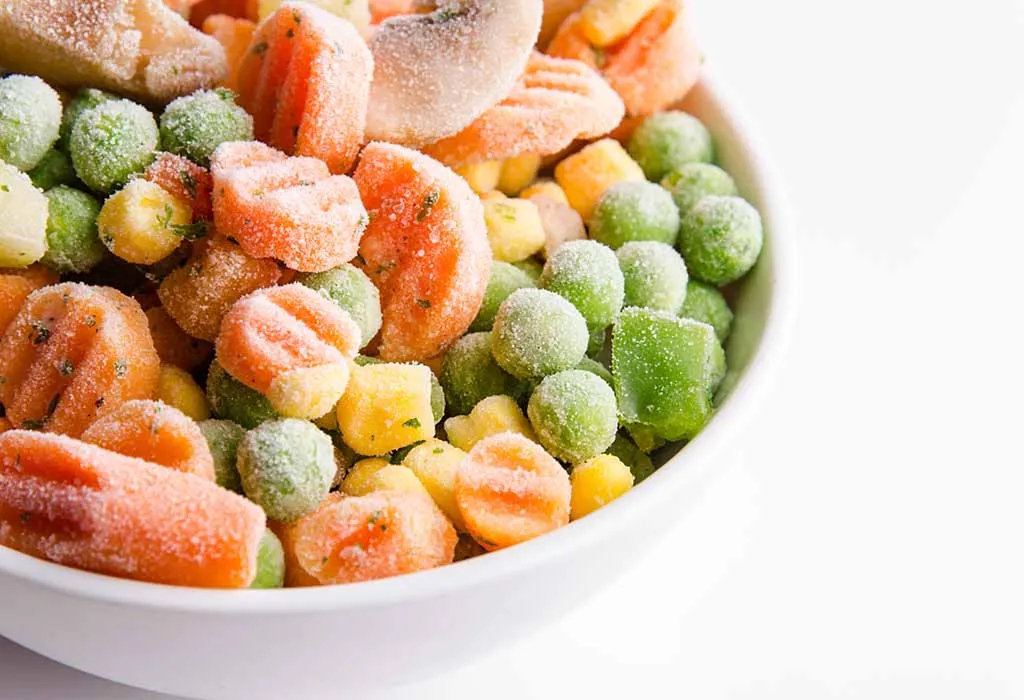 For pregnant women, consuming frozen foods every once in a while is alright and will not cause any damage to the mother or the child, but the consumption should be carefully considered. Hence, it is better not to consume frozen food on a daily basis; instead, cook food fresh as it is the best way to gain the proper nutrients and vitamins that the pregnant body needs during this delicate time. It is also better to avoid frozen fruit during pregnancy and stick to consuming fresh fruits and vegetables.
Precautions to Take While Having Frozen Meals During Pregnancy
Here are a few precautions that you may want to pay attention to if you are considering consuming frozen meals during pregnancy:
- Ensure that the frozen food that you are looking into is approved by the food authority.
- Check the frozen food or meal you are buying is frozen solid or not. If it looks limpy or not solid, then avoid buying it.
- Ensure to follow the instructions on the packets to avoid the growth of bacteria that can cause major problems for you and your baby, such as toxoplasmosis or listeriosis.

- Once you have bought your frozen meal, carry it home in a chill bag or an ice box to prevent a temperature change. Freeze the food immediately to avoid any bacteria from forming on it.
- If your food has warmed on the journey home, it is best to consume it as soon as possible. If the food has partially thawed, do not immediately put it into the freezer. Instead, put it in the fridge and eat it soon.
- Do not thaw the frozen food at room temperature. You can either thaw it in the fridge or microwave.
- Freezers should ideally be set to below 18 degrees Celsius, and the fridge should ideally be set between 0-4 degrees Celsius.
- Pick meals that are low in salt and saturated fats. More than 6g of salt should not be consumed by anyone in a day for the best health, and no more than 20g of saturated fats should be consumed in a day.
- When using frozen meals, be sure that you consume them before their “Use by” date.
- Try supplementing your frozen meals with some homemade parts as well.
- When heating, check that the frozen meal is completely hot, right through to the centre.
- When purchasing, ensure that you buy it from a store that has a proper electricity supply and a generator that keeps the freezers and fridges working.
Consuming frozen foods is alright now and then, but it is important to note that too much of it is not good for you and your baby. As long as you follow the tips above, you should have no negative reactions from eating frozen food, but if you feel you may have gotten sick from it, consult with your doctor without wasting time.
References/Resources:
1. Tamada. H, Ebara. T, Matsuki. T, Kato. S, Sato. H, Ito. Y, Saitoh. S, Kamijima. M, Sugiura-Ogasawara. M; On Behalf Of The Japan Environment And Children’s Study Group; Impact of Ready-Meal Consumption during Pregnancy on Birth Outcomes: The Japan Environment and Children’s Study. Nutrients; https://www.ncbi.nlm.nih.gov/pmc/articles/PMC8877490/; February 2022
2. Foods to eat or avoid when pregnant; NSW Government – Food Authority; https://www.foodauthority.nsw.gov.au/consumer/life-events-and-food/pregnancy/foods-to-eat-or-avoid-when-pregnant; https://www.foodauthority.nsw.gov.au/consumer/life-events-and-food/pregnancy/foods-to-eat-or-avoid-when-pregnant
3. Food Safety During Pregnancy; The Royal Women’s Hospital; https://thewomens.r.worldssl.net/images/uploads/fact-sheets/Food-safety-during-pregnancy_2021.pdf; May 2021
4. Safe and Healthy Eating During Pregnancy; NDSU Agriculture; https://www.ag.ndsu.edu/publications/food-nutrition/safe-and-healthy-eating-during-pregnancy; June 2021
Also Read:
Pregnancy Diet Plan – Month by Month
Eating Ice-Cream in Pregnancy – Is It Safe?
Should You Eat Raw Vegetables during Pregnancy?
Was This Article Helpful?
Parenting is a huge responsibility, for you as a caregiver, but also for us as a parenting content platform. We understand that and take our responsibility of creating credible content seriously. FirstCry Parenting articles are written and published only after extensive research using factually sound references to deliver quality content that is accurate, validated by experts, and completely reliable. To understand how we go about creating content that is credible, read our editorial policy here.
- Author

Related Articles
-

Eating Tuna During Pregnancy - Safe or Unsafe?
-

Eating Mangoes During Pregnancy - Is It Safe?
-
Consumption of Chia Seeds During Pregnancy - Benefits & Side Effects
-
Eating Betel Leaf (Paan) During Pregnancy - Is It Safe?
-

Eating Meat During Pregnancy - Is It Safe?
-

Is Eating Caesar Salad Safe During Pregnancy?